PLANETS
click the planet Name to visit
venus
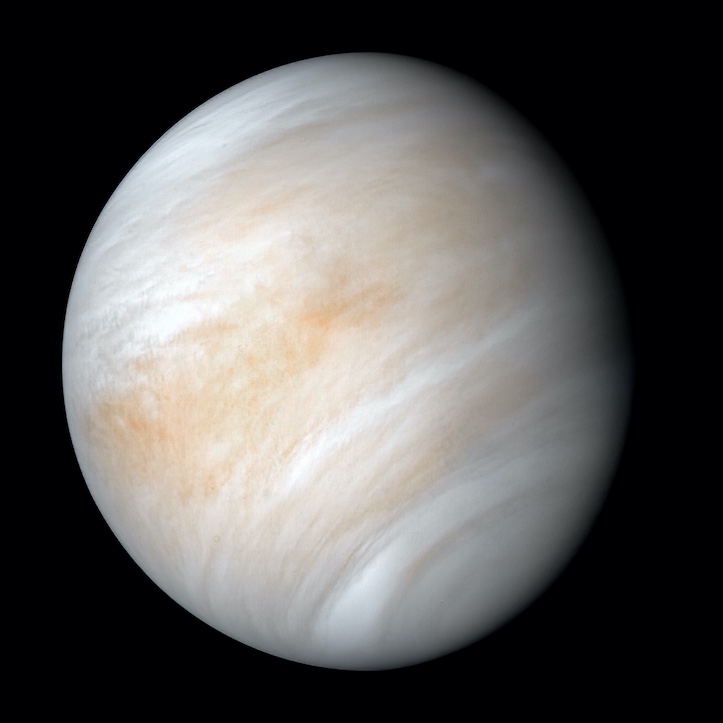
Venus is often called Earth's "sister planet" due to its similar size and composition. However, its thick, toxic atmosphere traps heat, making it the hottest planet in the solar system.
earth
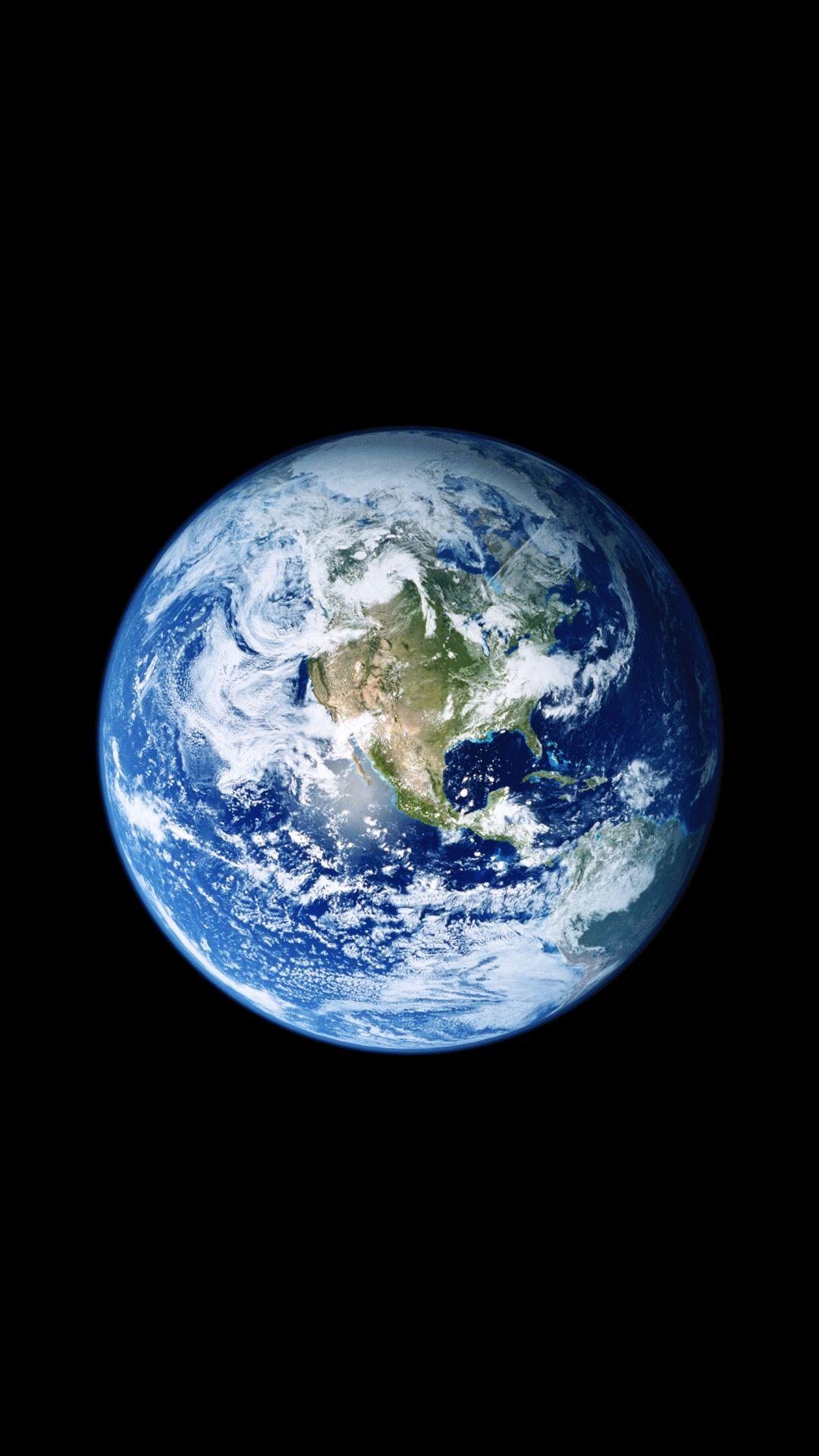
Our home planet, Earth, is the only one known to support life. It has a diverse climate, abundant water, and a variety of ecosystems.
Jupiter
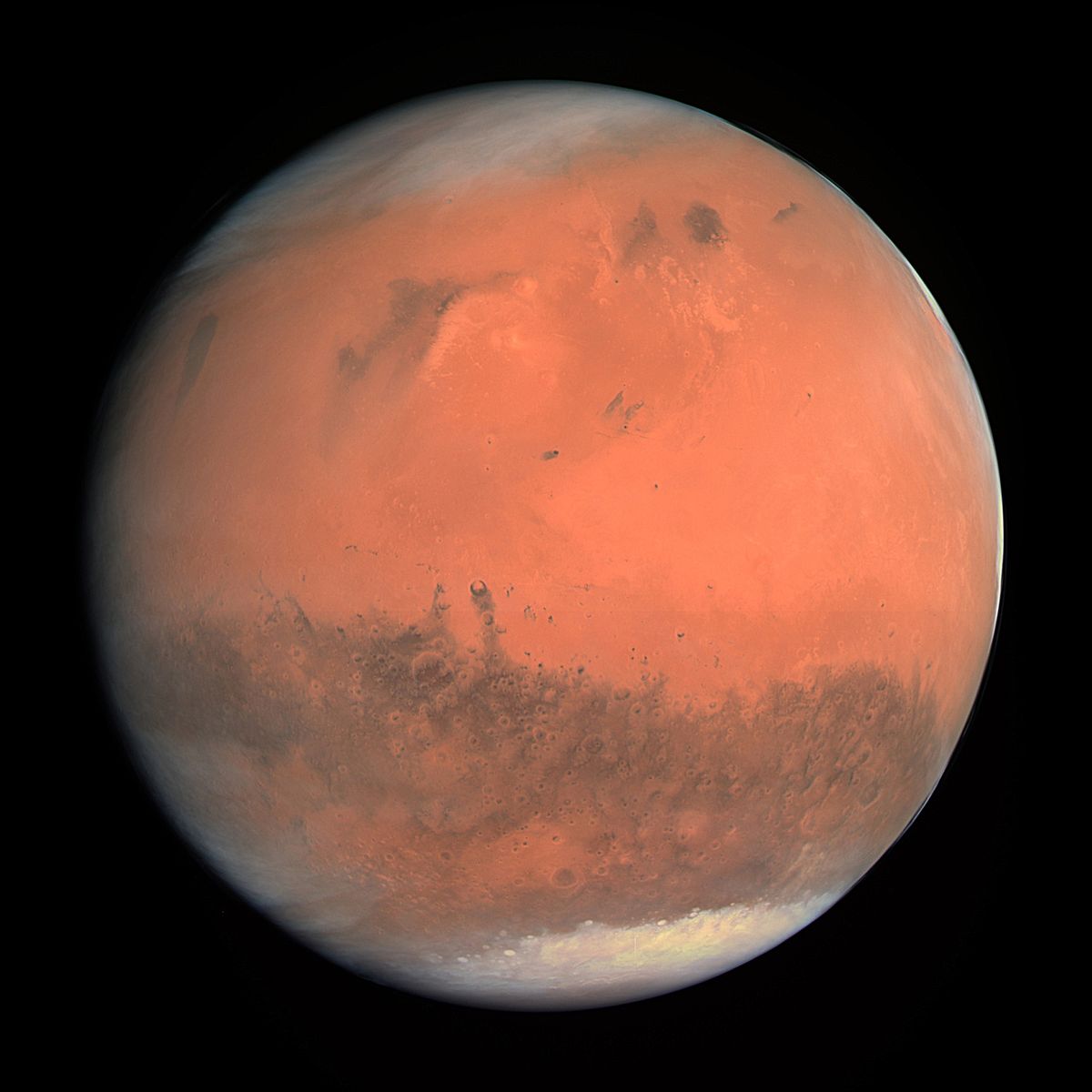
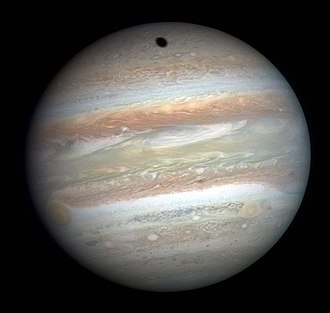
Jupiter is the largest planet in the solar system, primarily composed of gas. It has a prominent set of rings and a turbulent, swirling atmosphere with the famous Great Red Spot, a massive storm.
saturn
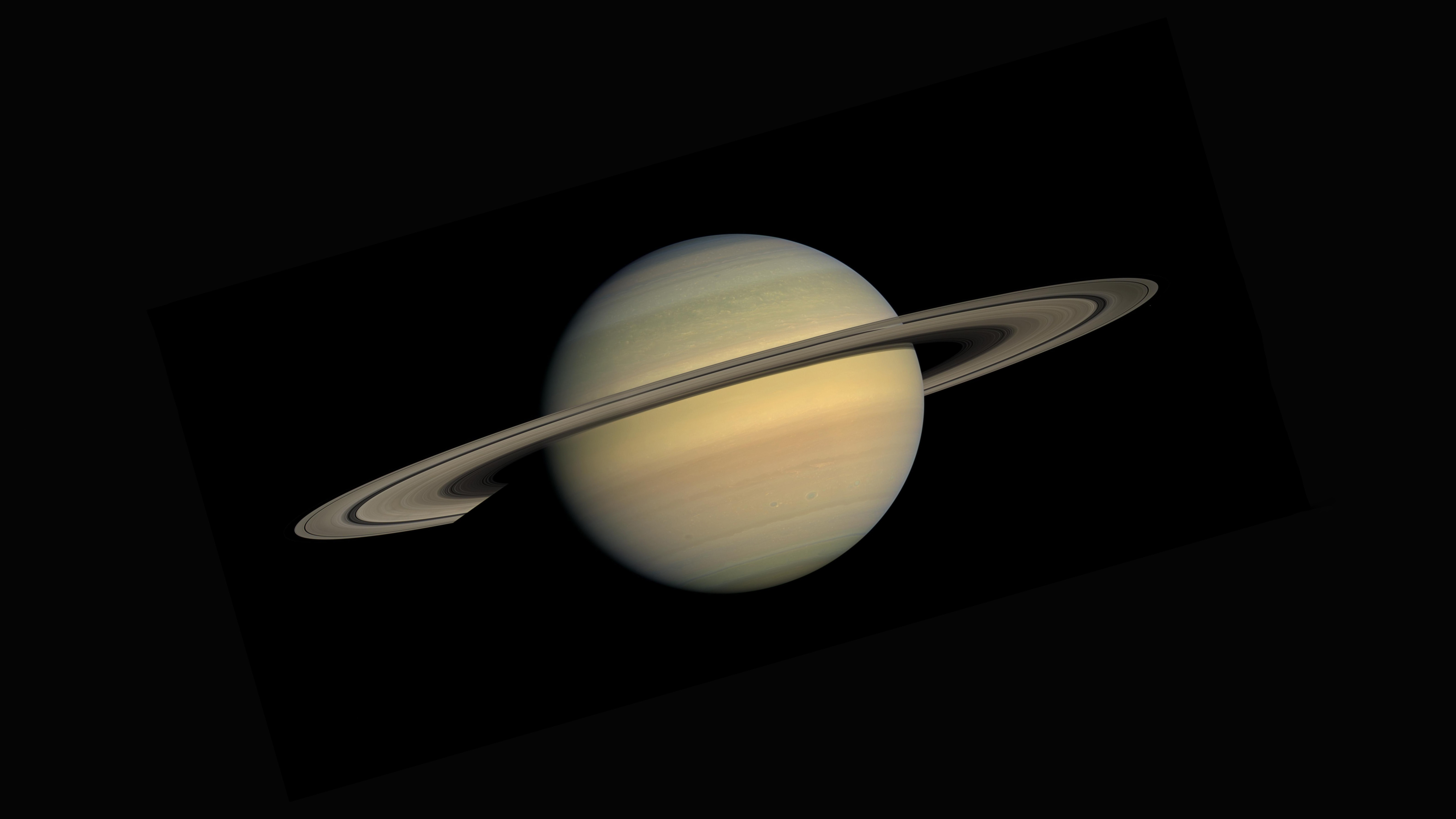
SATURN
Saturn is known for its stunning ring system, composed of countless icy particles. It is another gas giant and has a diverse collection of moons, including Titan, with its dense atmosphere.
Uranus
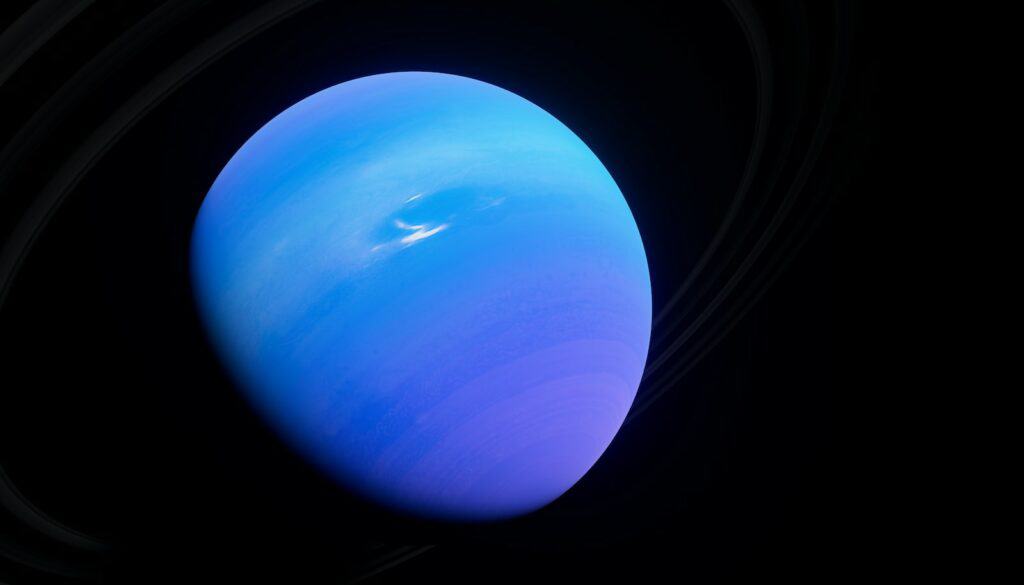
Uranus is an ice giant, distinct for its unique sideways rotation. It has a set of narrow rings and a blue-green appearance due to the presence of methane in its atmosphere.
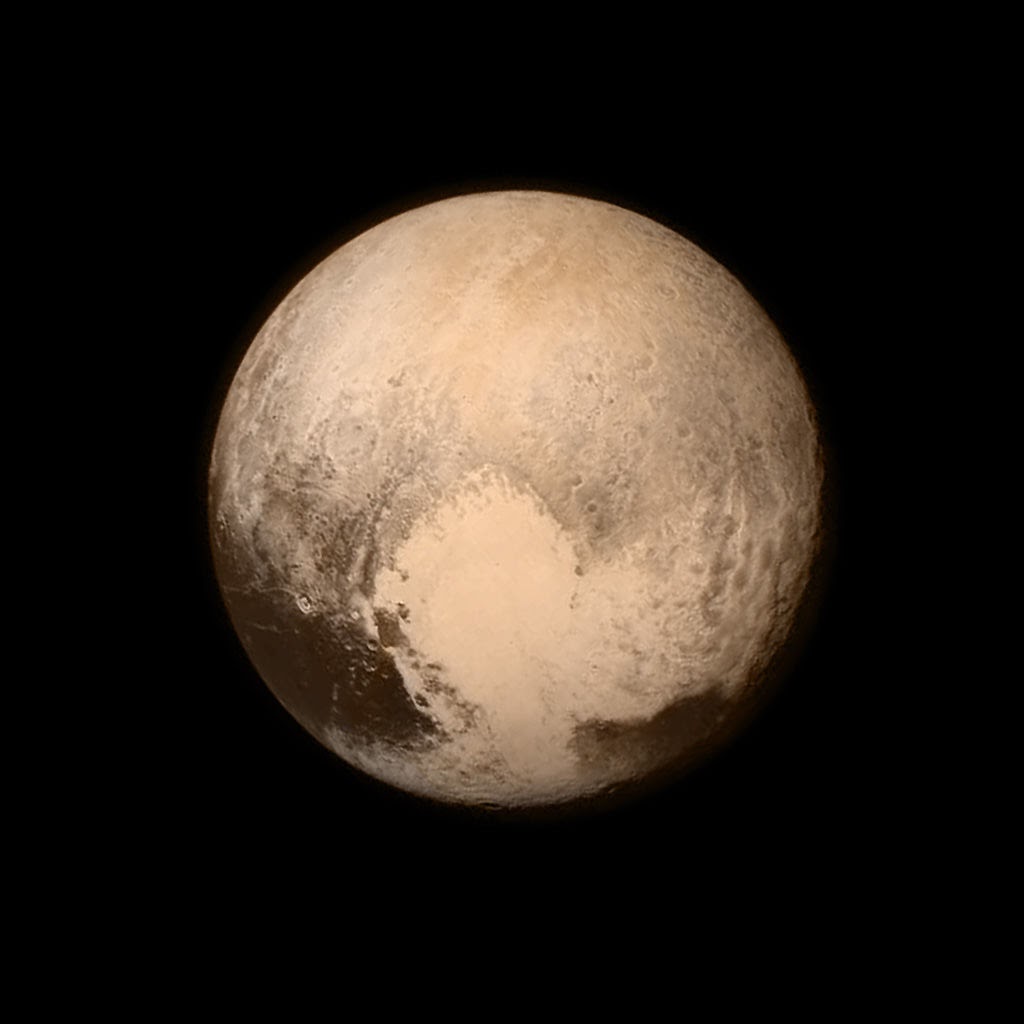
PLUTO
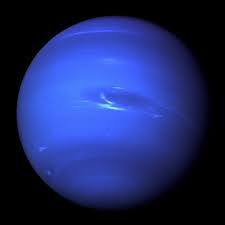
Pluto is a dwarf planet located in the Kuiper Belt, a region beyond the orbit of Neptune in our solar system. It was discovered in 1930 by American astronomer Clyde Tombaugh and was originally classified as the ninth planet in the solar system. However, in 2006, the International Astronomical Union (IAU) reclassified Pluto as a dwarf planet, leading to much debate and discussion.